Prōtóplasto
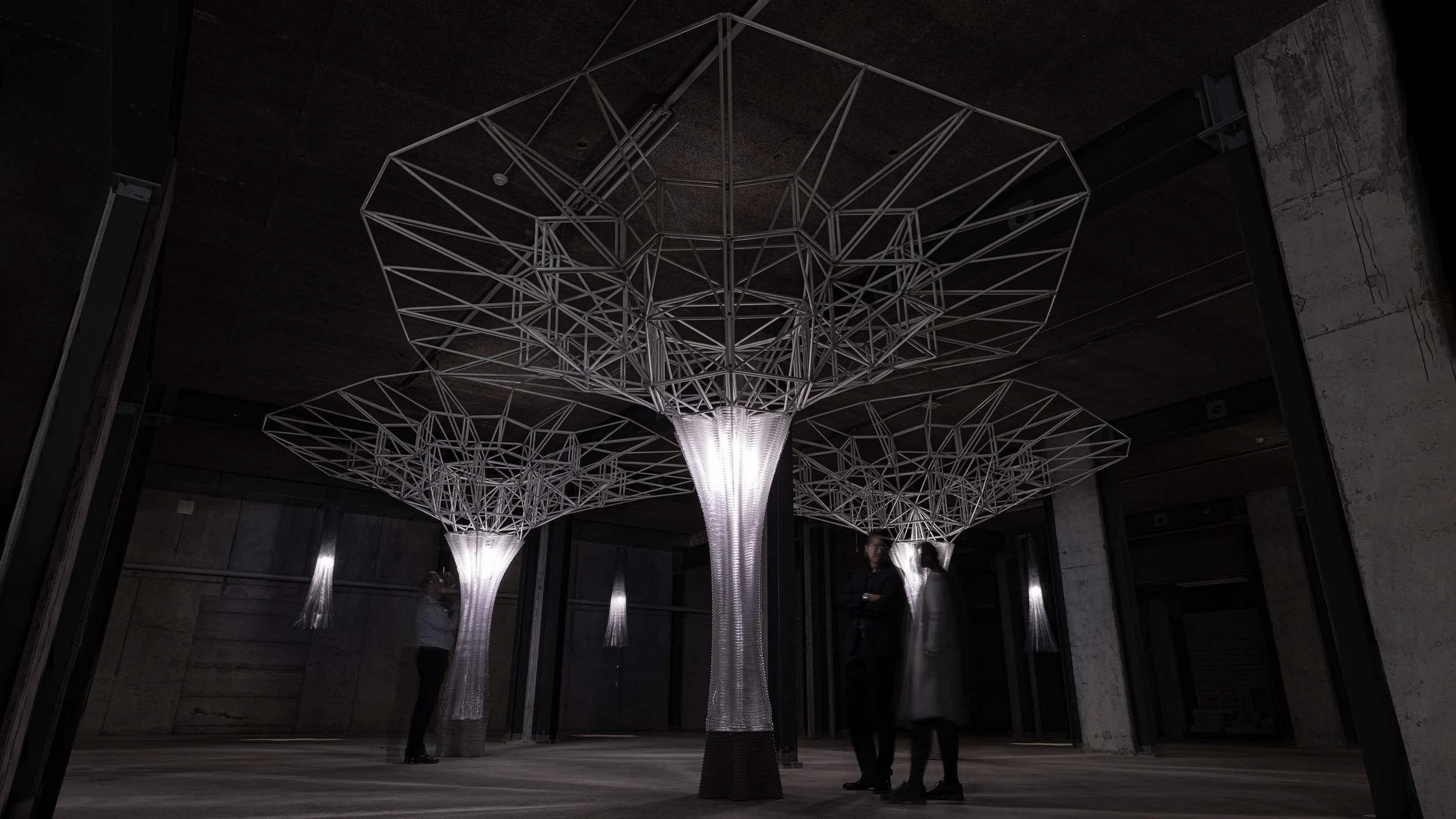
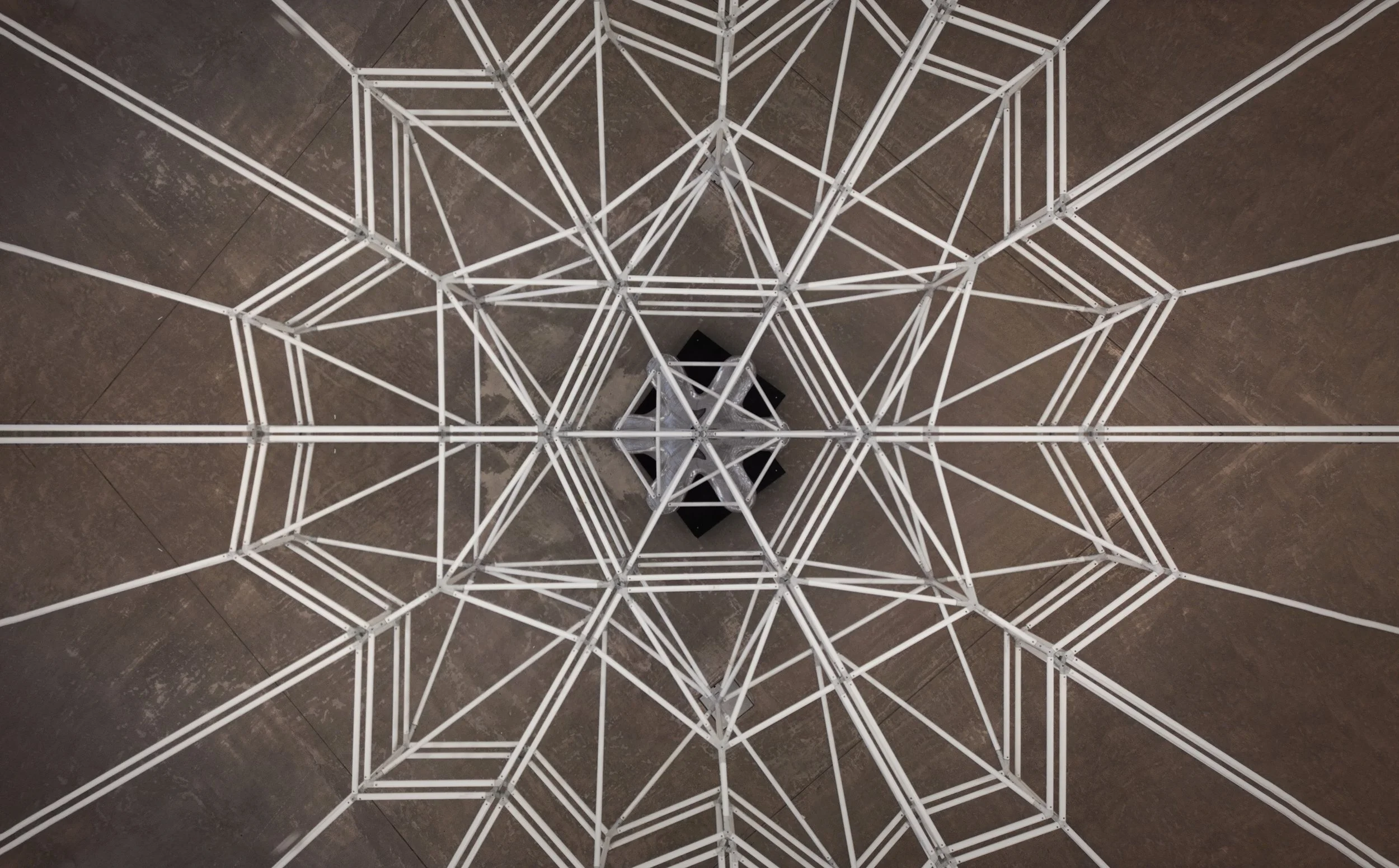
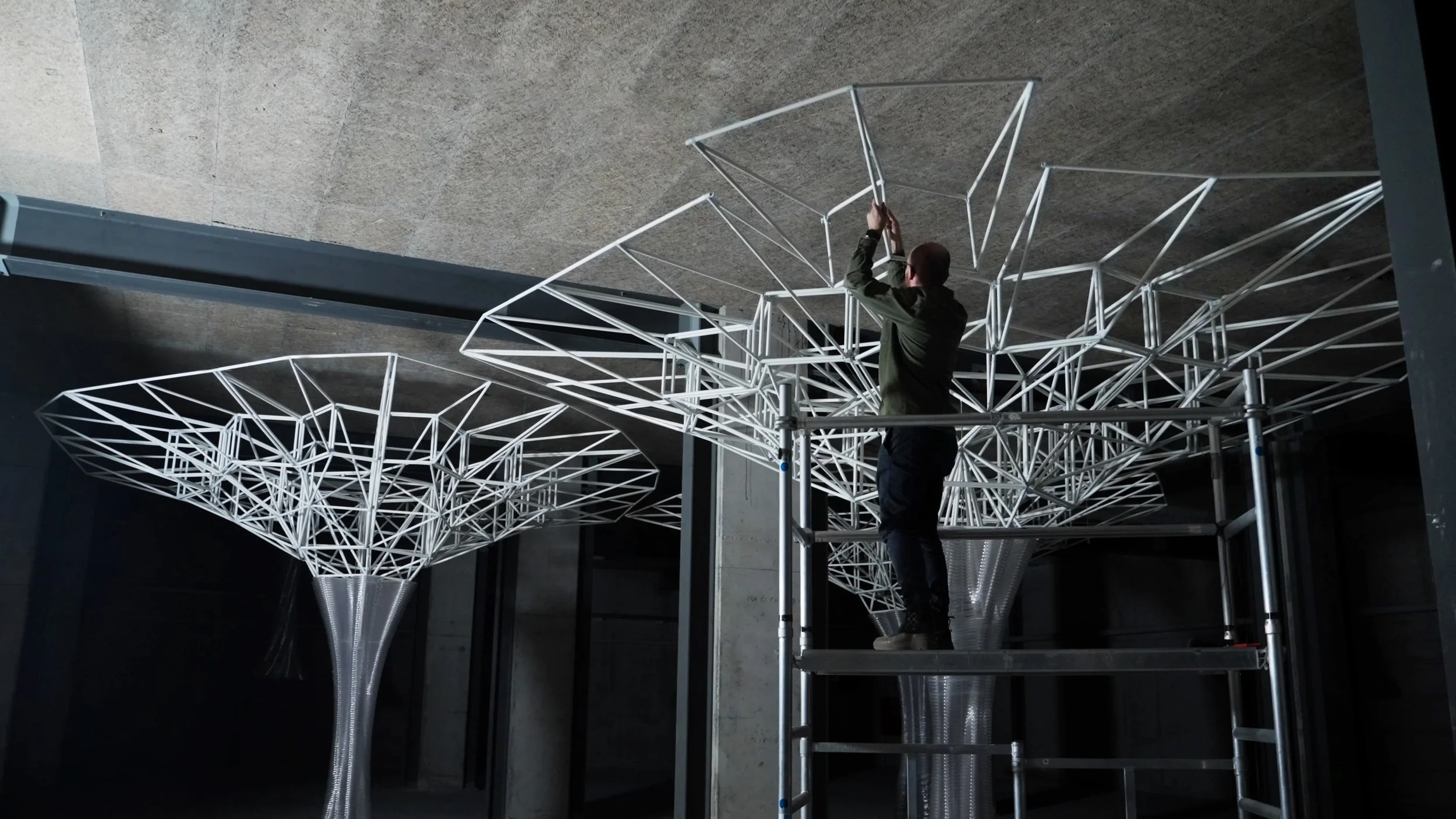
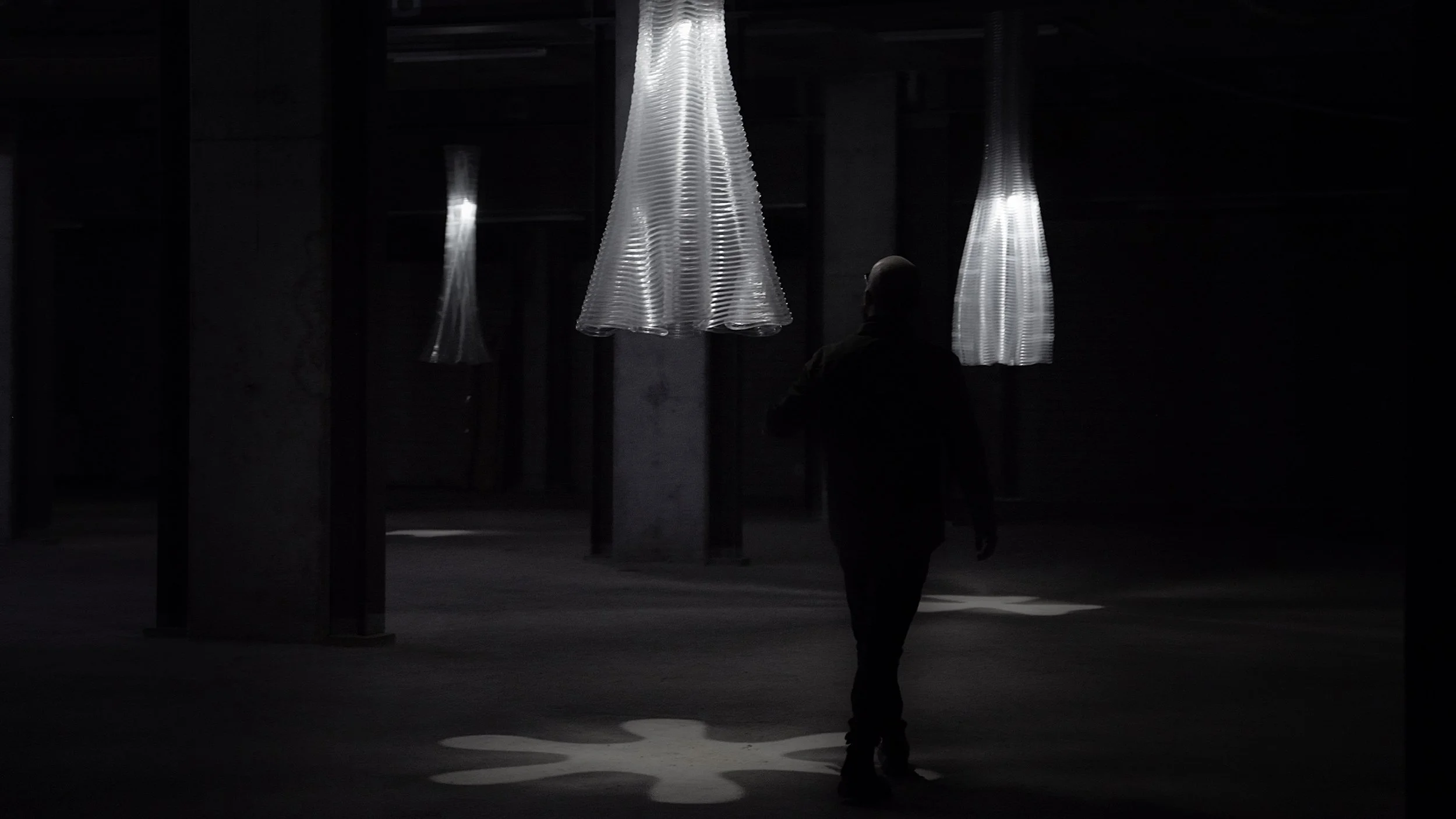
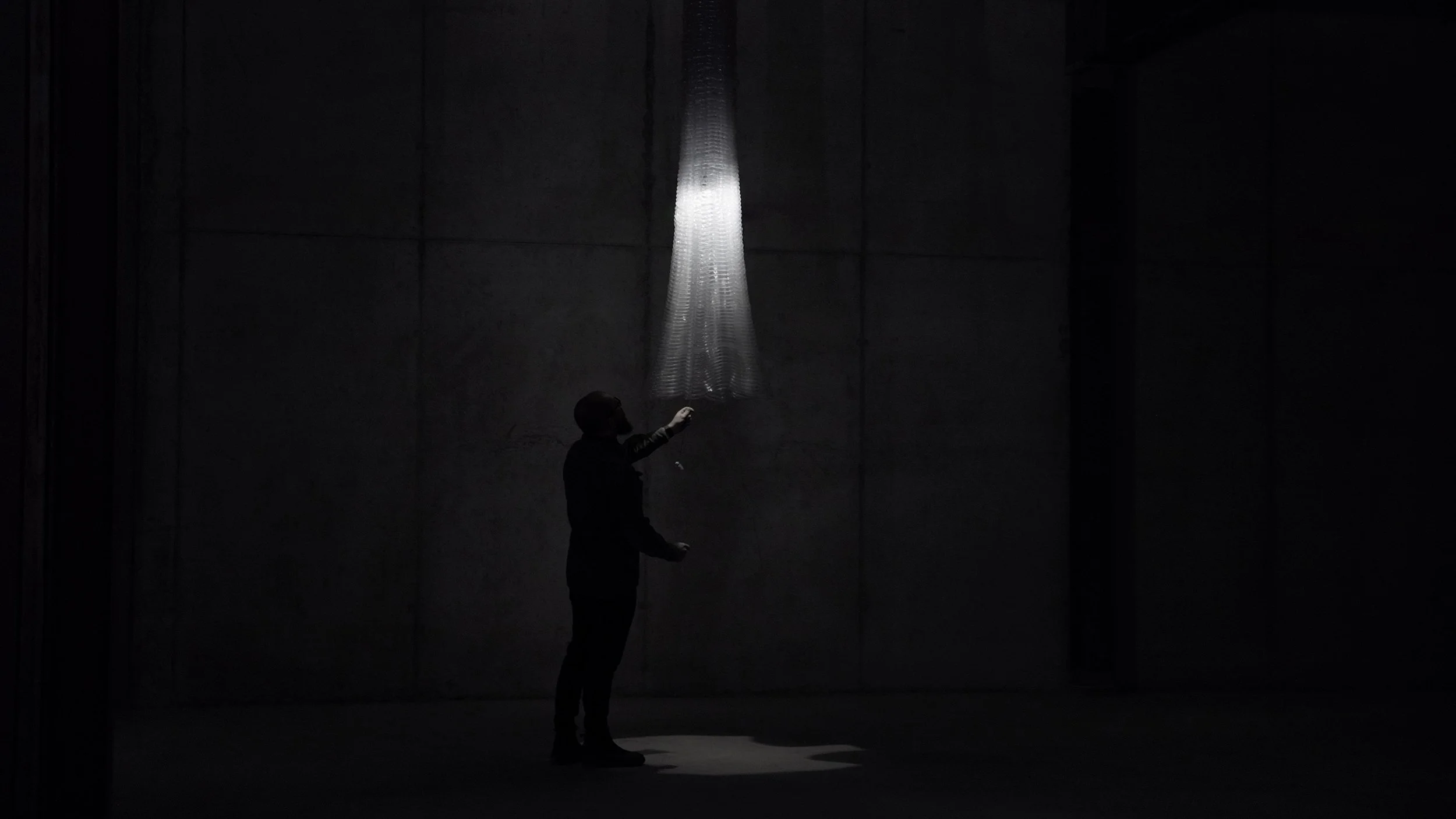
Prōtóplasto is an ultralight media installation exhibited at the innovation hub “Futurama” in Aargau, Switzerland. It is created with a novel constructive system pairing two new technologies: an innovative 3D printing method for polymers with very high build-up rates, which are similar to concrete extrusion, and 3D printed connections whose bespoke geometry enables support-free self-interlocking assembly of modular components. The word Prōtóplasto stems from the Greek word “πρωτόπλαστος” (prōtóplastos) meaning “the first formed”.
Prōtóplasto aims to introduce a new perspective on the use of plastics in architecture. The exemplary structure leverages multiple digital fabrication technologies in order to achieve moldless and waste-free construction. Protoplasto is designed entirely with custom computational tools that establish design and fabrication relations of its subparts, allowing the designer to adapt its form to different settings and locations.
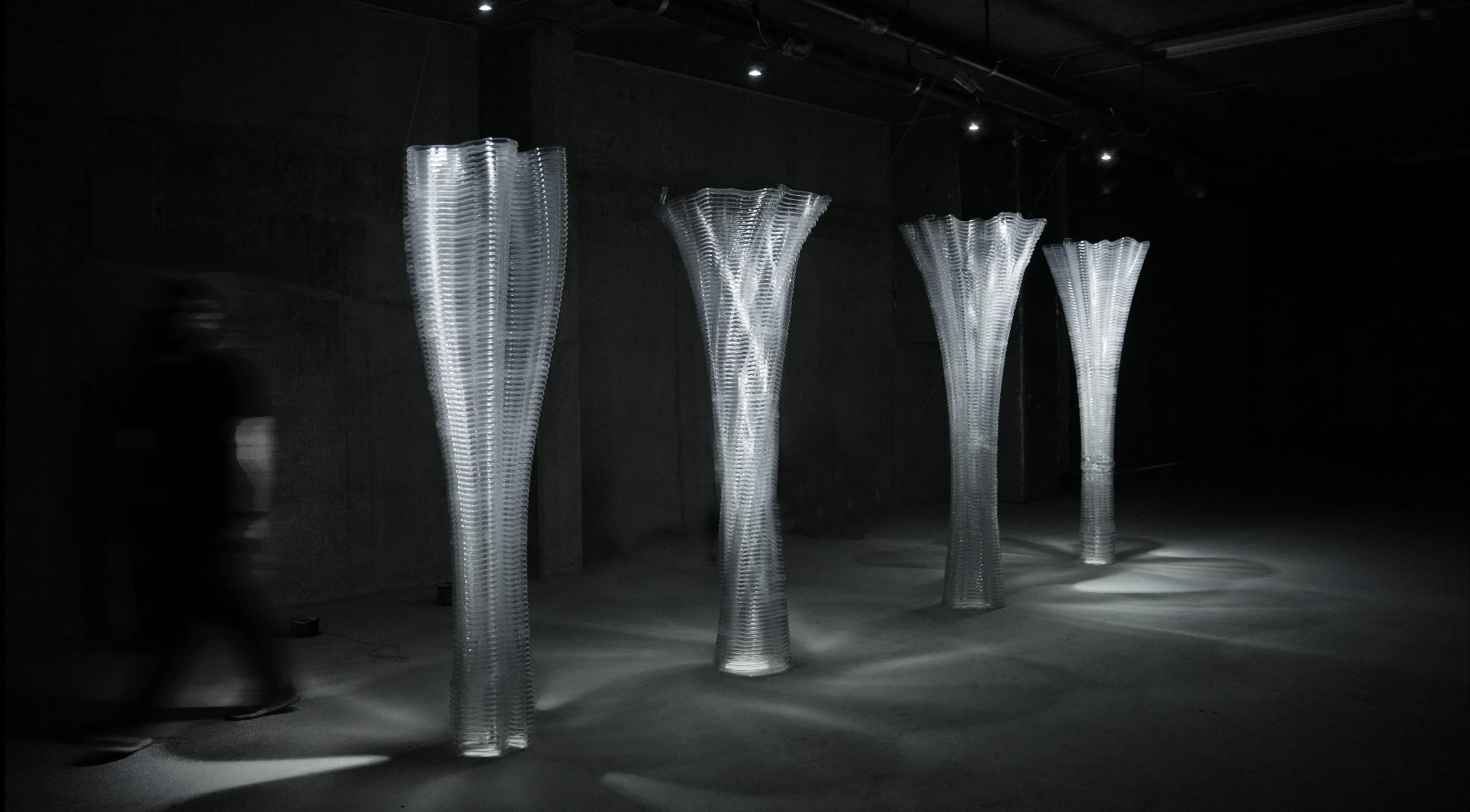
Hollow-Core 3D printed columns
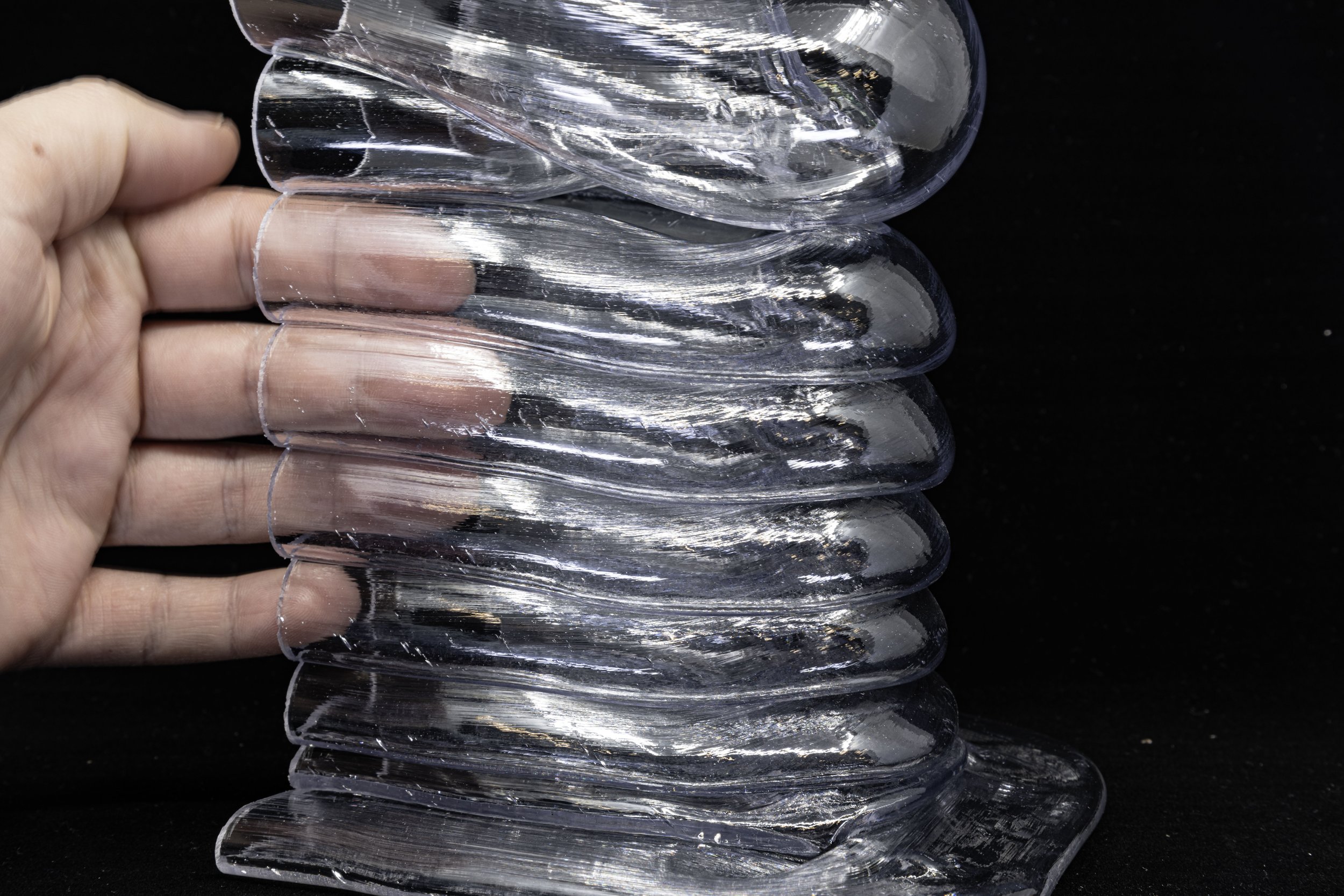
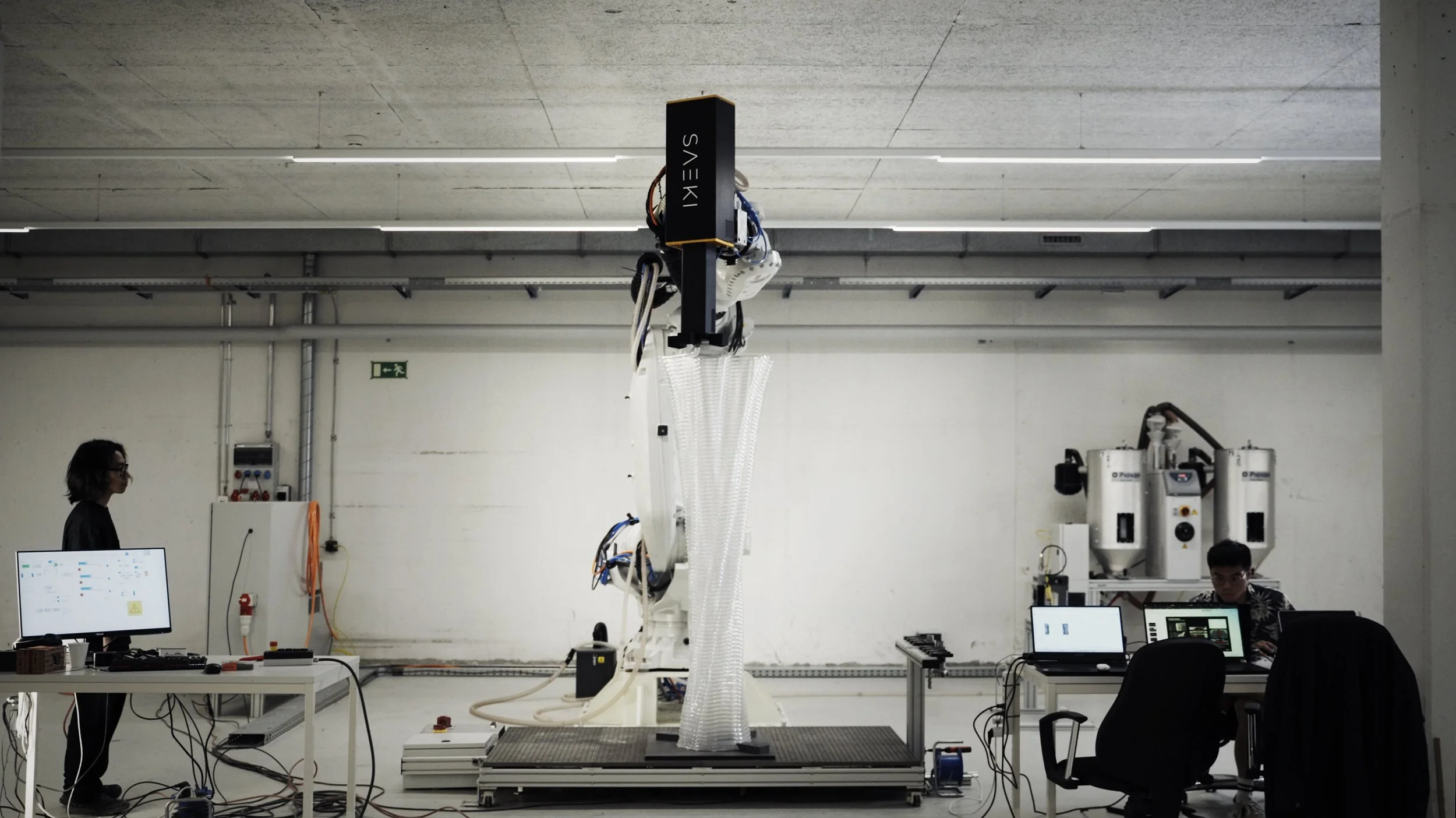
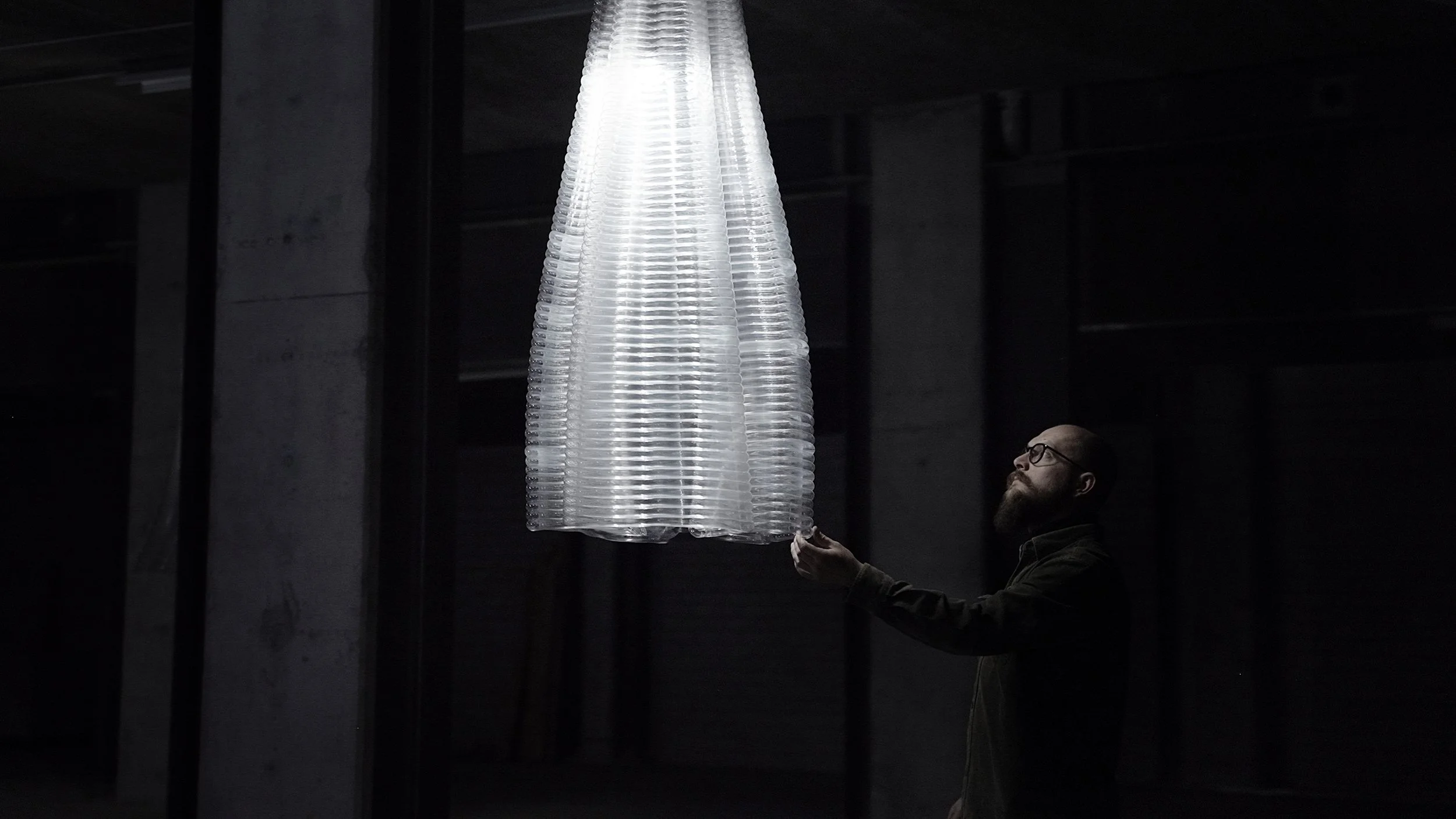
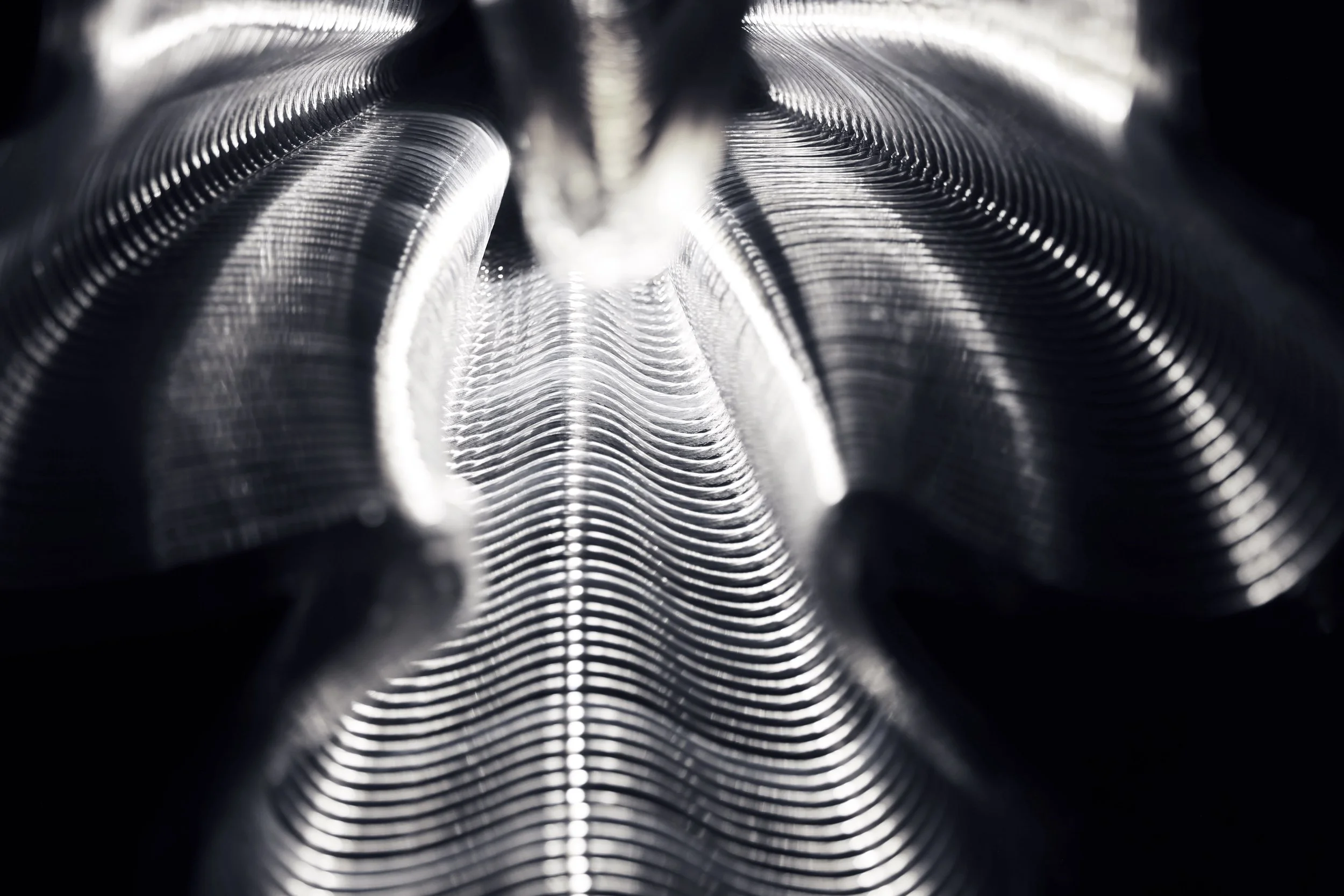
The pavilion is a modular arrangement of mushroom columns covering 65 m² at a specific weight of only 3.8 kg/m². Its columns are printed with Hollow-Core 3D Printing (HC3DP), which extrudes large tubular beads rather than solid ones: a custom nozzle splits the molten polymer into a thin wall around an empty core, and compressed air inflates the bead and holds it open while the material cools below its glass transition temperature. The tubular bead raises the build-up rate while reducing material consumption and increasing the transparency of the print. Printed layers range from 10 to 24 mm at a build-up rate comparable to concrete 3D printing, bringing polymer extrusion to an architecturally relevant scale. The columns are printed with an internally braced 'X' section rather than a plain 'O' to increase stiffness and load capacity: 2.2 m tall, four to six hours each, 18–20 kg of material. Against conventional additive manufacturing with solid beads, the tubular section saves more than 85% of the material.
The foundation of these columns includes custom concrete footings that are cast using HC3DP formwork. This approach not only ensures stability but also extends the distinctive texture of the HC3DP columns to the base, creating a cohesive visual effect throughout the installation.
-
2022/23 · Project co-led with Marirena Kladeftira · MAS in Architecture and Digital Fabrication, ETH Zurich — Digital Building Technologies. Exhibited at Futurama, Aargau.
-
Total area: 65 sqm
Total weight: 250kg
Three 2.2m tall HC columns
Print time: 5h per column
291 connections in PA12
Two joint typologies
535 glass fibre rods
On-site assembly time: 12h
-
-
-
Eleni Alexi, Adam Anouar, Ana Ascic, Keng Chia Chang, Xue Chen, Po Yen Chen, Ahmed Elmeraghy, Caitlin Emily Gallagher, Yixiao Huang, Yi Hsiu Hung, Chenming Jiang, Lihin Karunadhipathi, Joseph Kenny, Man Ki Ian Law, Pedro Lopez Moldano, Nijat Mahamaliyev, Abhipsa Pal, Carl Pantos Conquilla, Etienne Pavoncello, Huang Su, Lee Yo Cheng, Zhuo Zhang
-