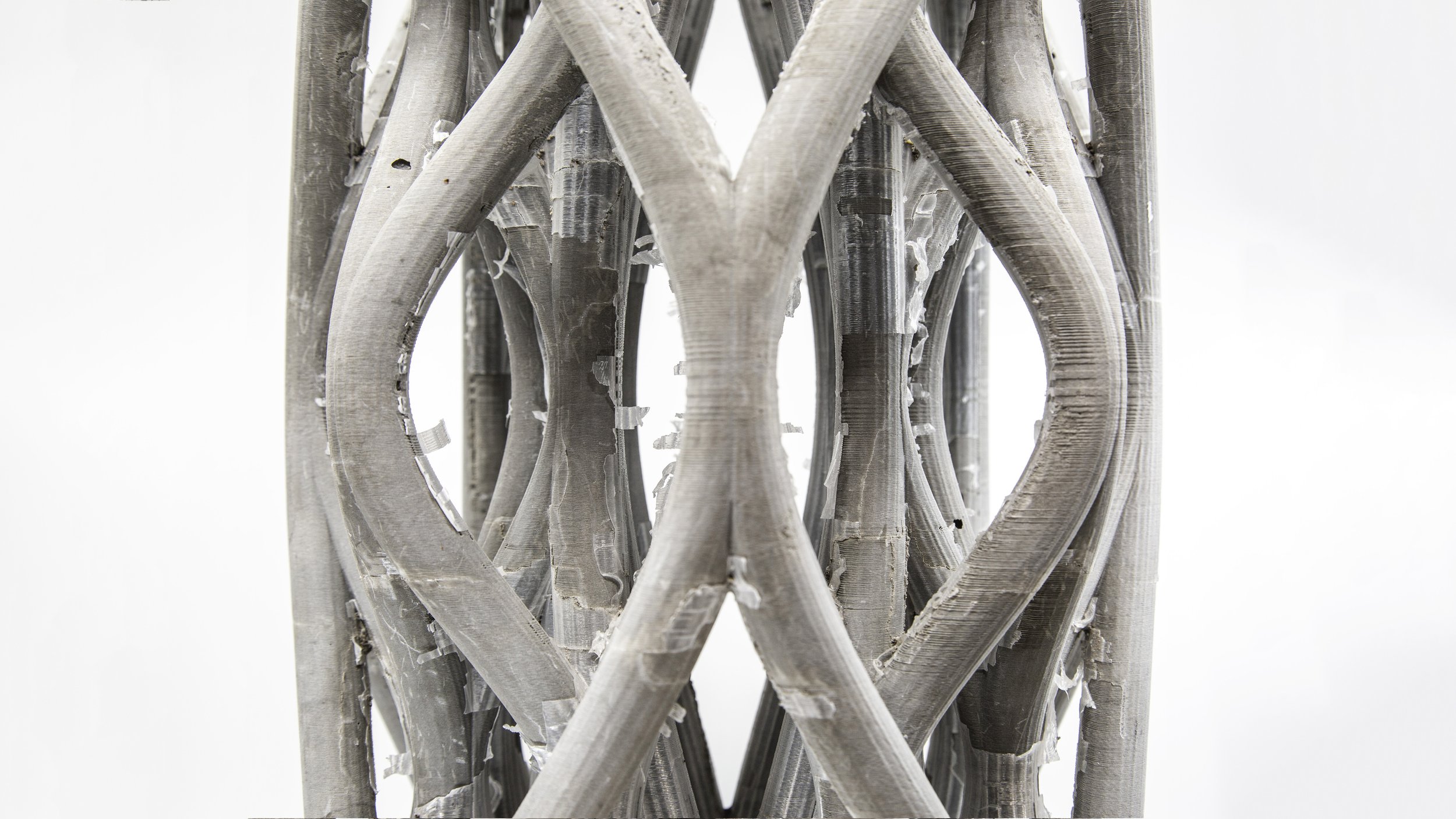
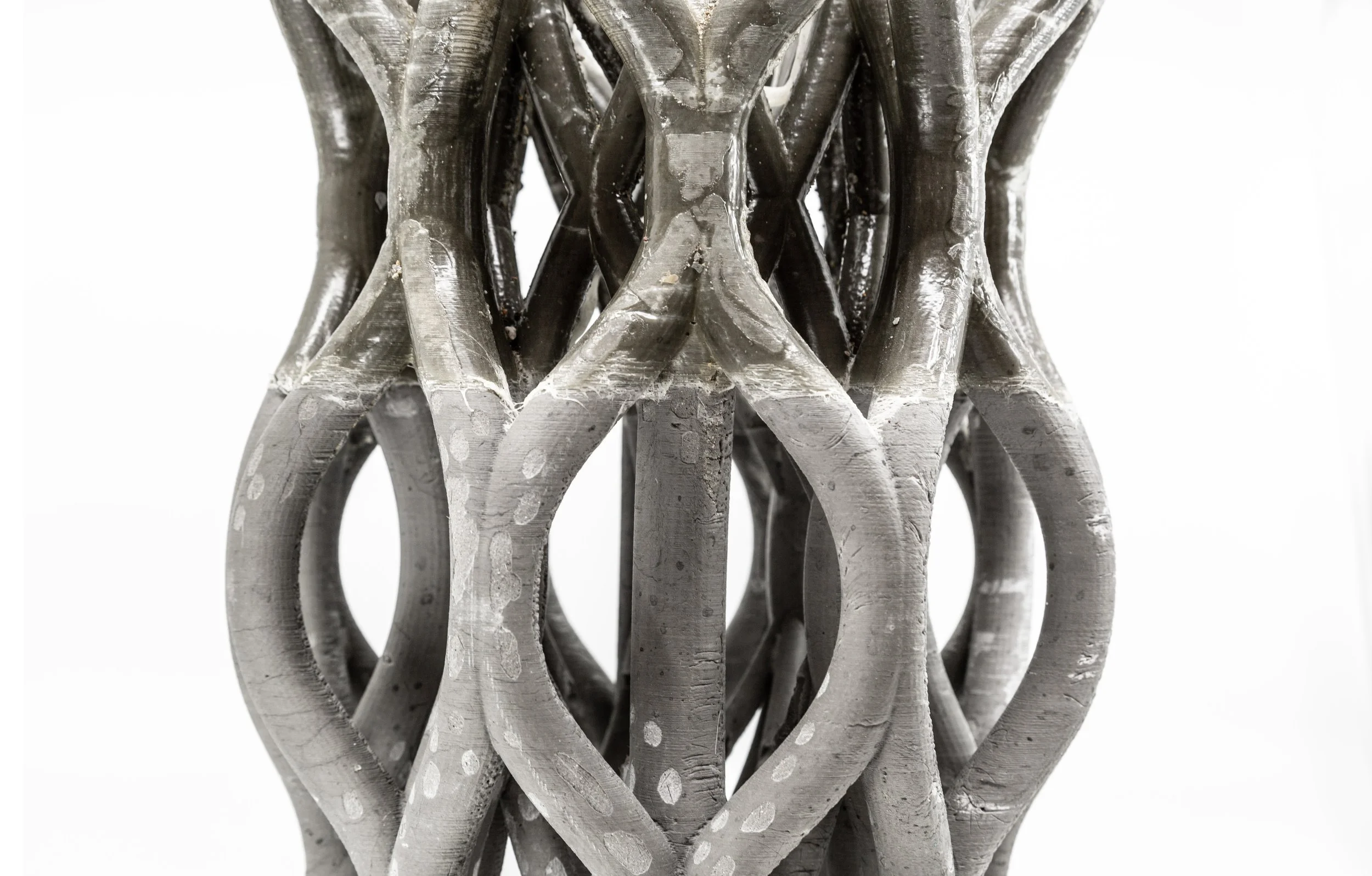
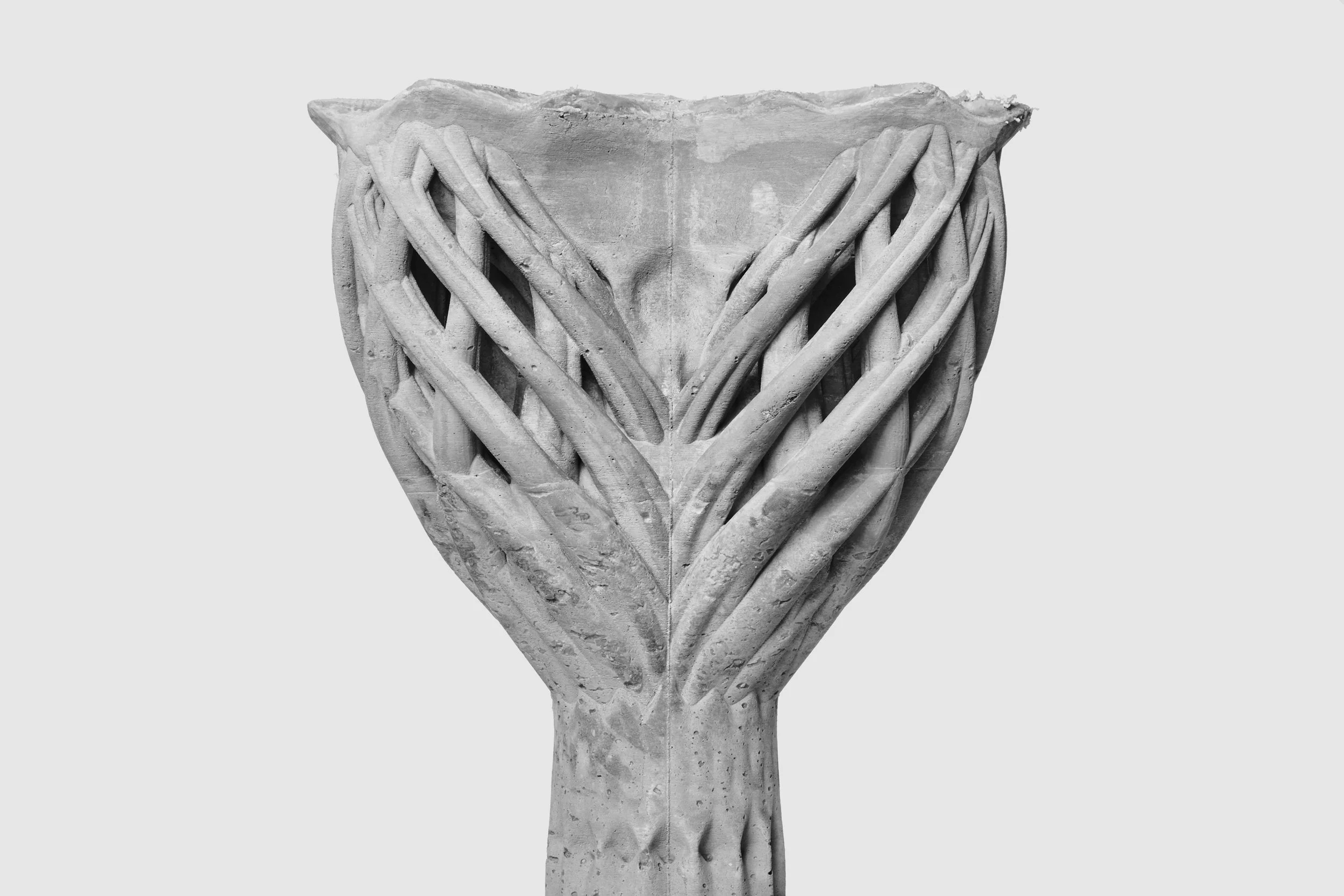
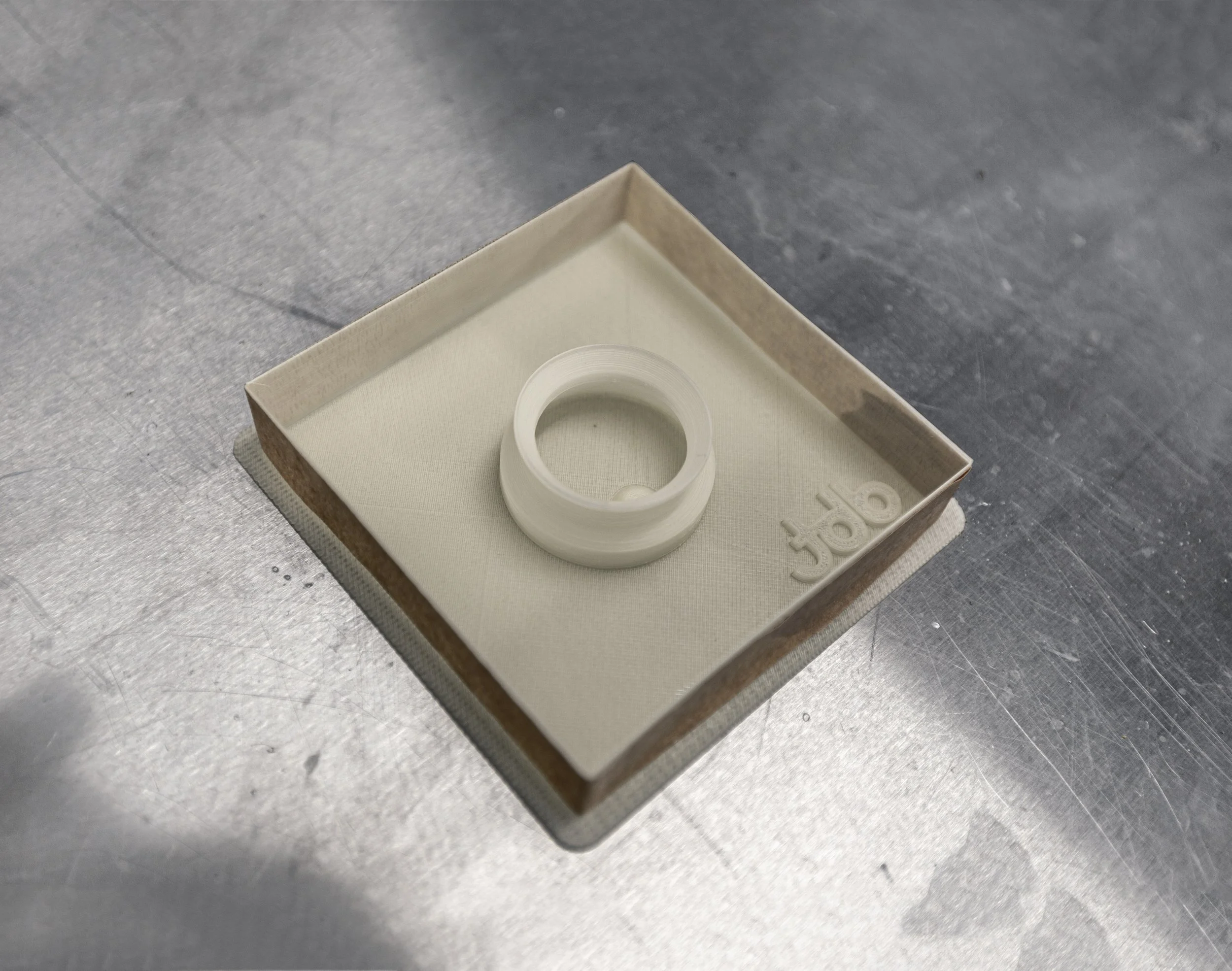
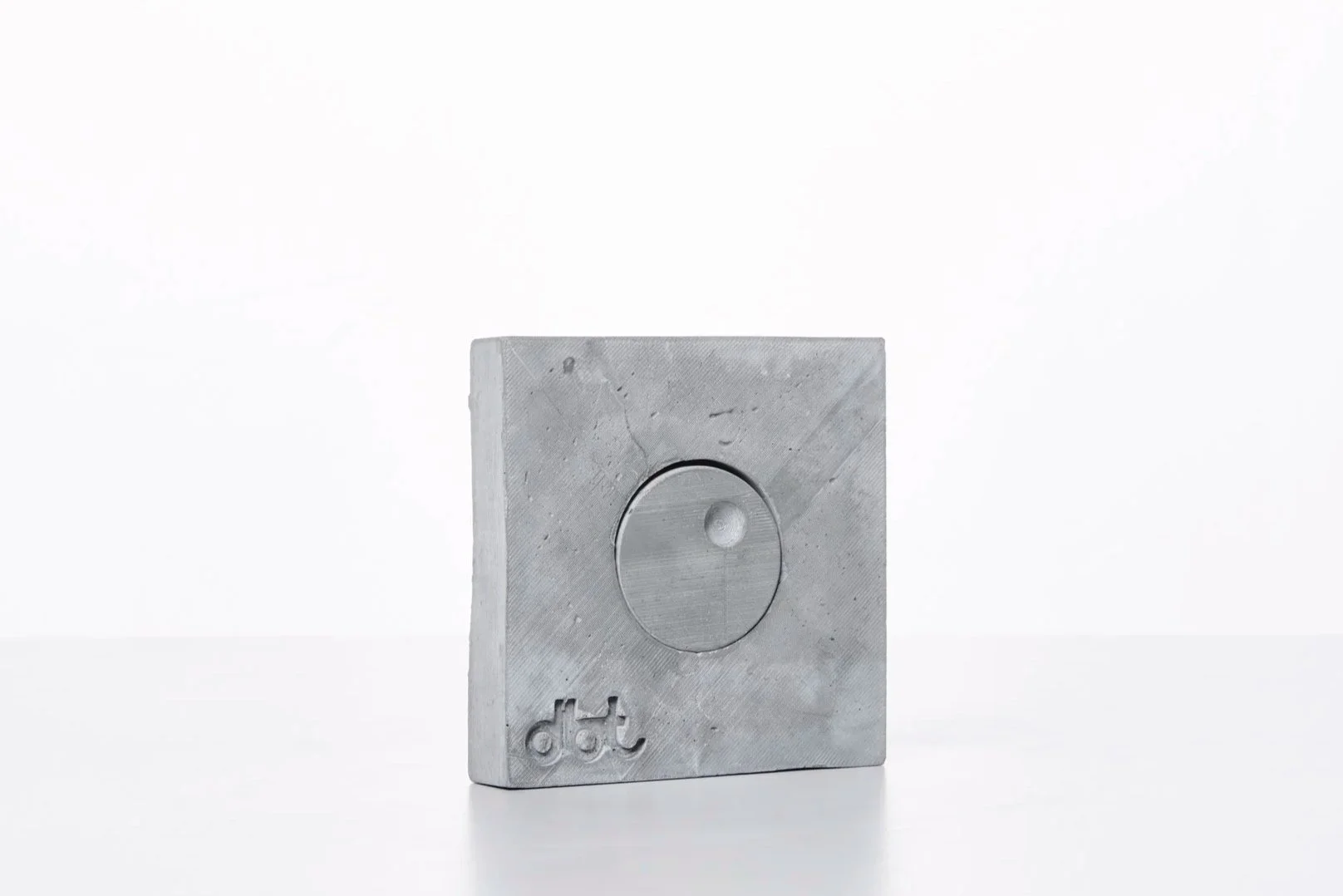
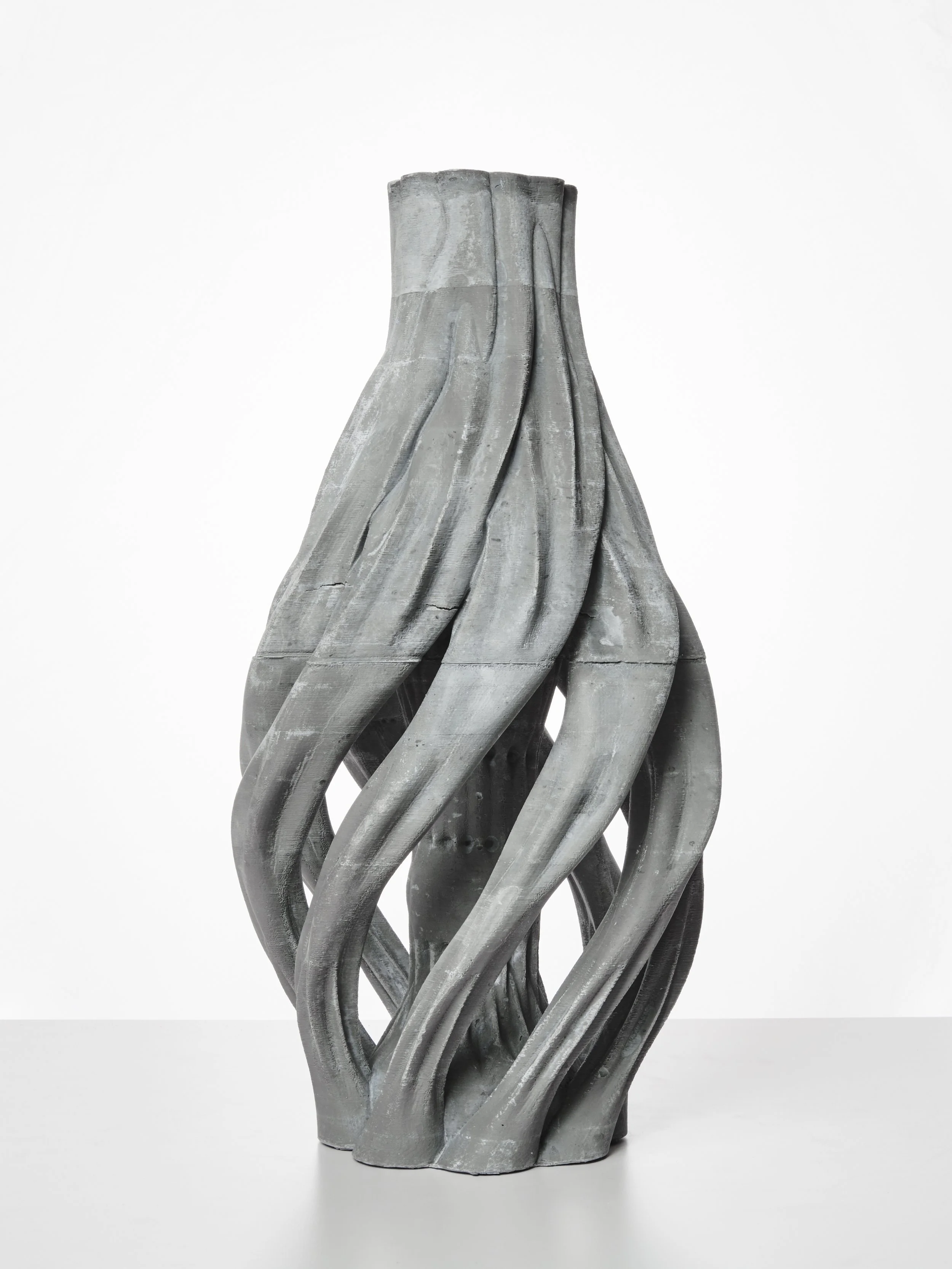
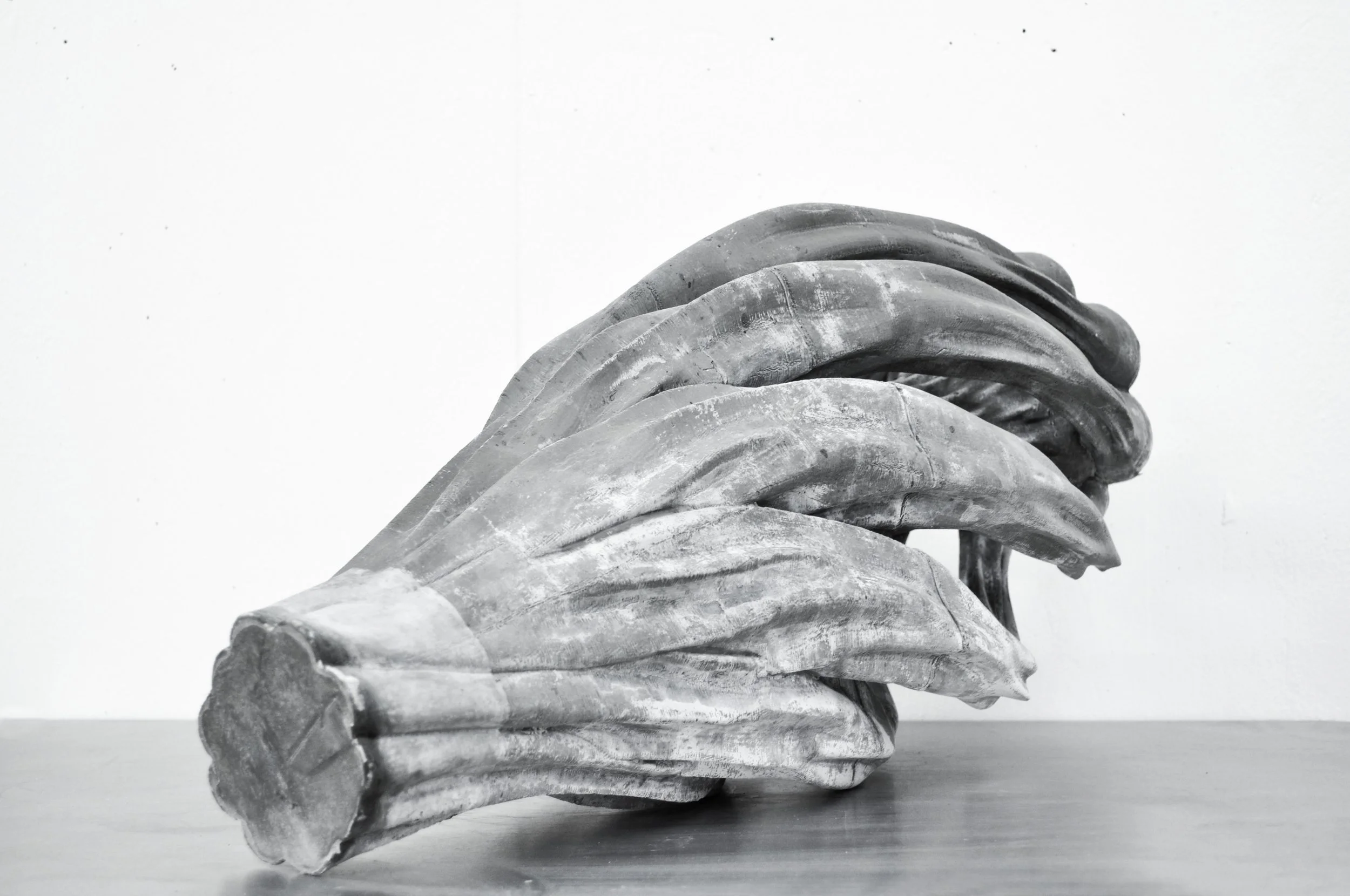
Formwork determines what concrete can become. Additive manufacturing lifts the constraints on producing a mould, and 3D-printed formwork has been demonstrated for a range of bespoke concrete components. However, the mould must still be removed: undercuts, cavities and fine detail have to remain reachable in order to be broken out, and the removal itself risks damaging the surface the formwork was made to produce. This research closes that gap: water-dissolvable thin-shell formwork is developed, printed by Fused Deposition Modelling (FDM) and washed out with water alone, without chemical solvents.
PERIOD
2017–2020
CONTEXT
Chair of Digital Building Technologies, ETH Zurich in collaboration with PERI.
PATENT
Computer-Aided Method for Dimensioning a Formwork Arrangement to Be Additively Manufactured, and Device for Carrying Out the Method.
INDUSTRY PARTNER
OUTCOME
The limits established here motivated the move to hollow-core extrusion → Hollow-Core 3D Printing
MATERIAL AND DEMONSTRATOR
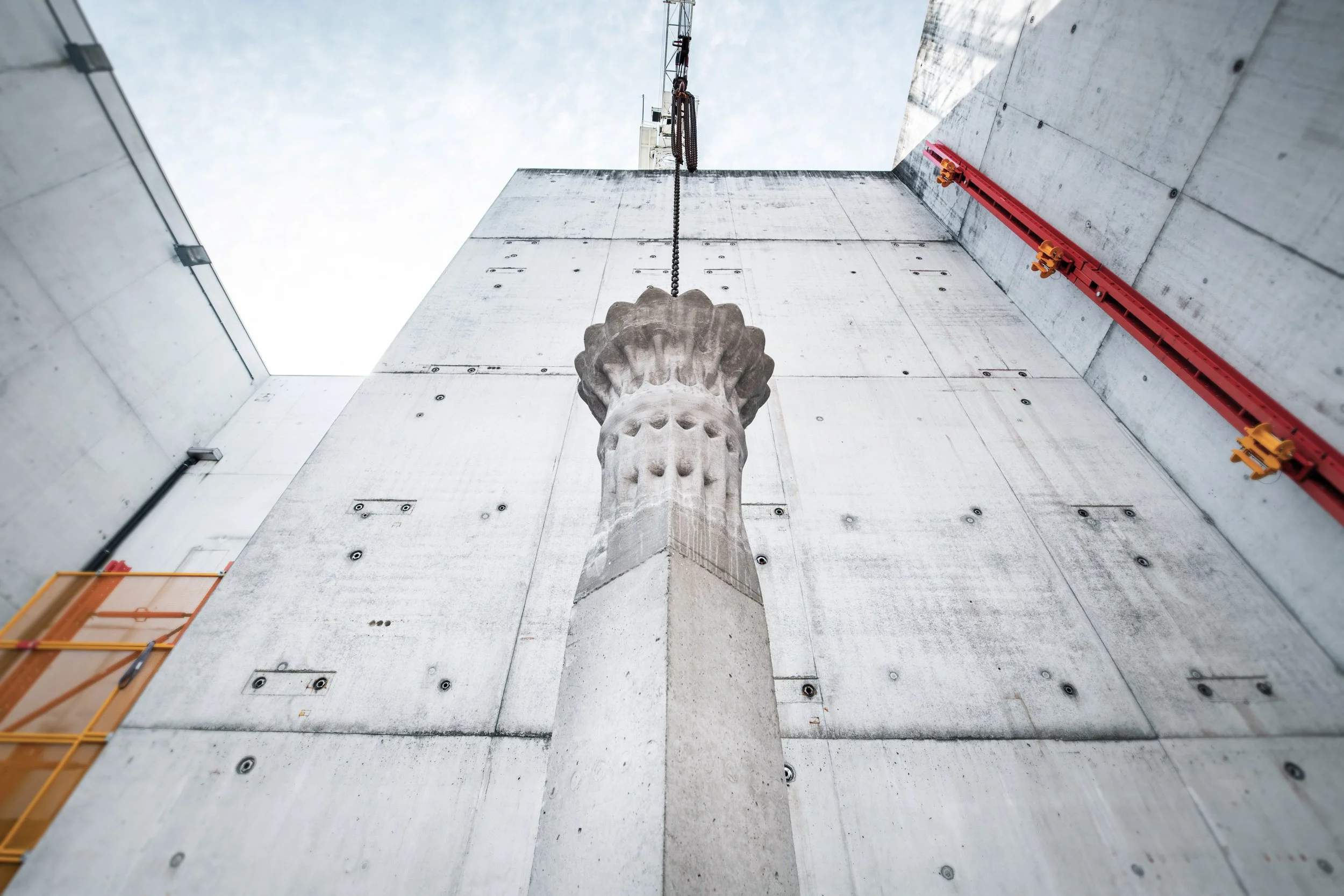
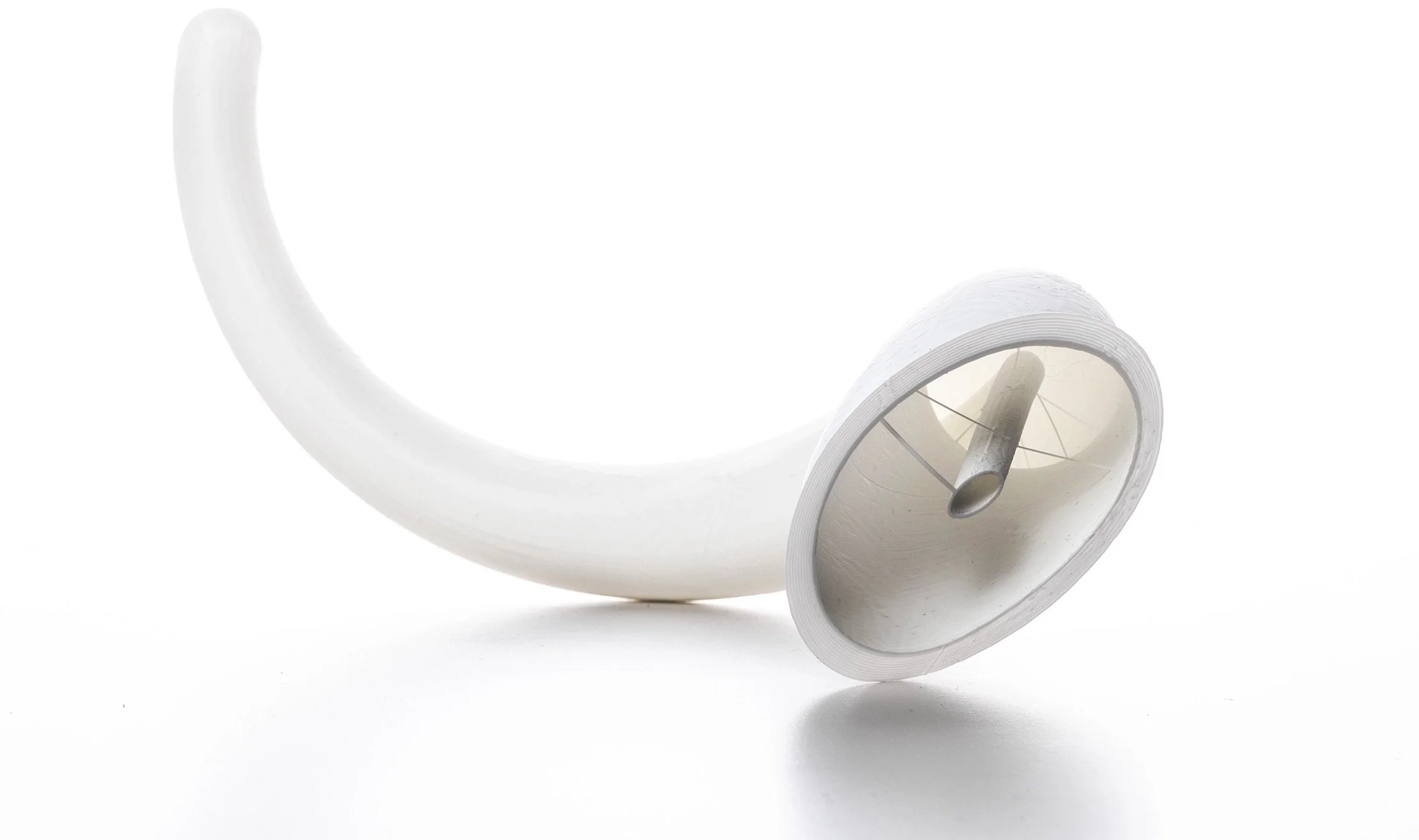
Of 15 dissolvable filaments evaluated for printability and dissolution behaviour, BVOH is selected — a co-polymer of PVA engineered for faster dissolution, and absorbing less humidity than regular PVA during storage. Approximately 20 ml of water per gram of formwork is required to dissolve it completely.
A 3 m column formwork of 8.5 kg of filament, printed in 52 hours, carries concrete cast to a height of 3.1 m — approximately 220 litres — together with 320 kg of standard formwork mounted above it to reproduce realistic hydrostatic pressure.
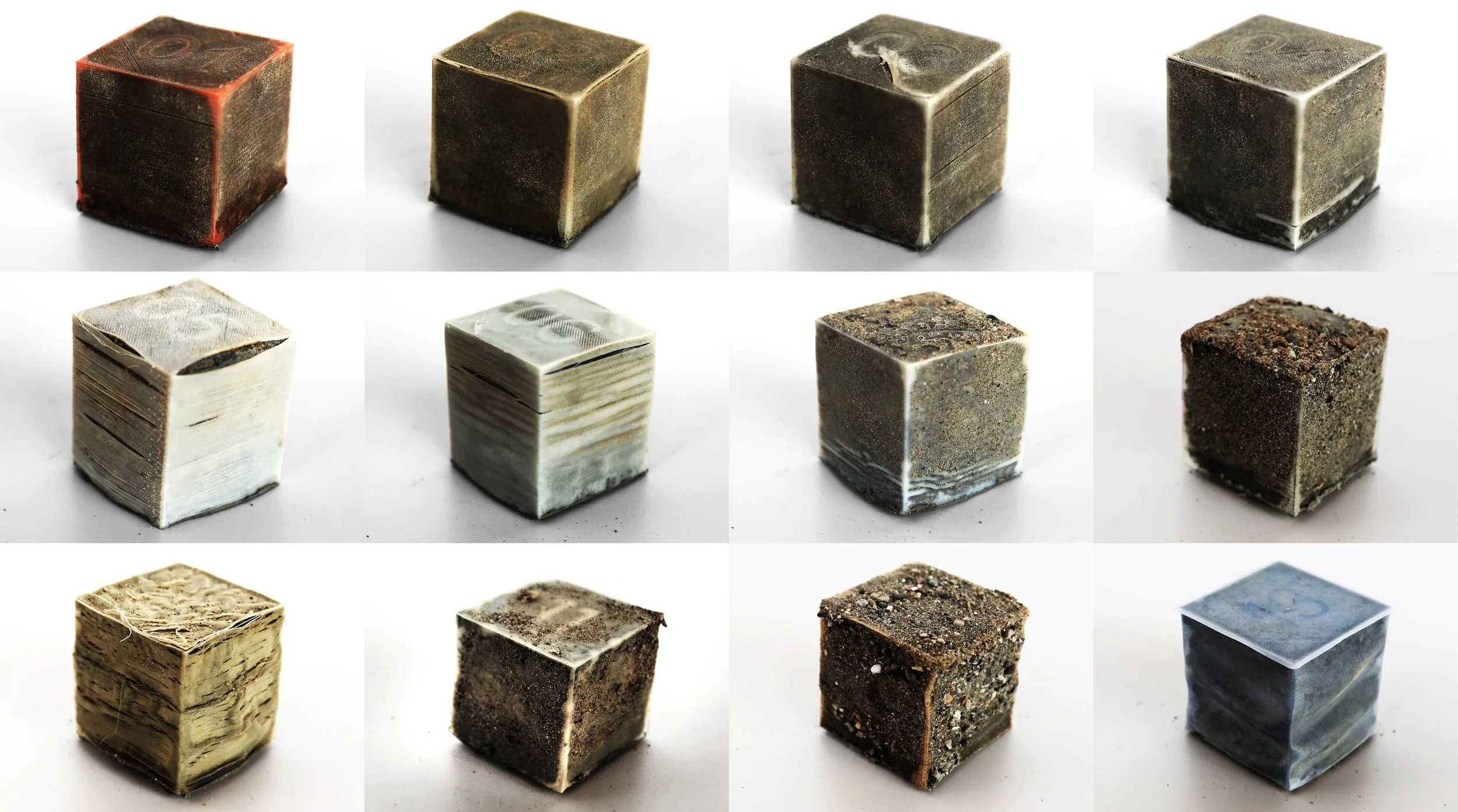
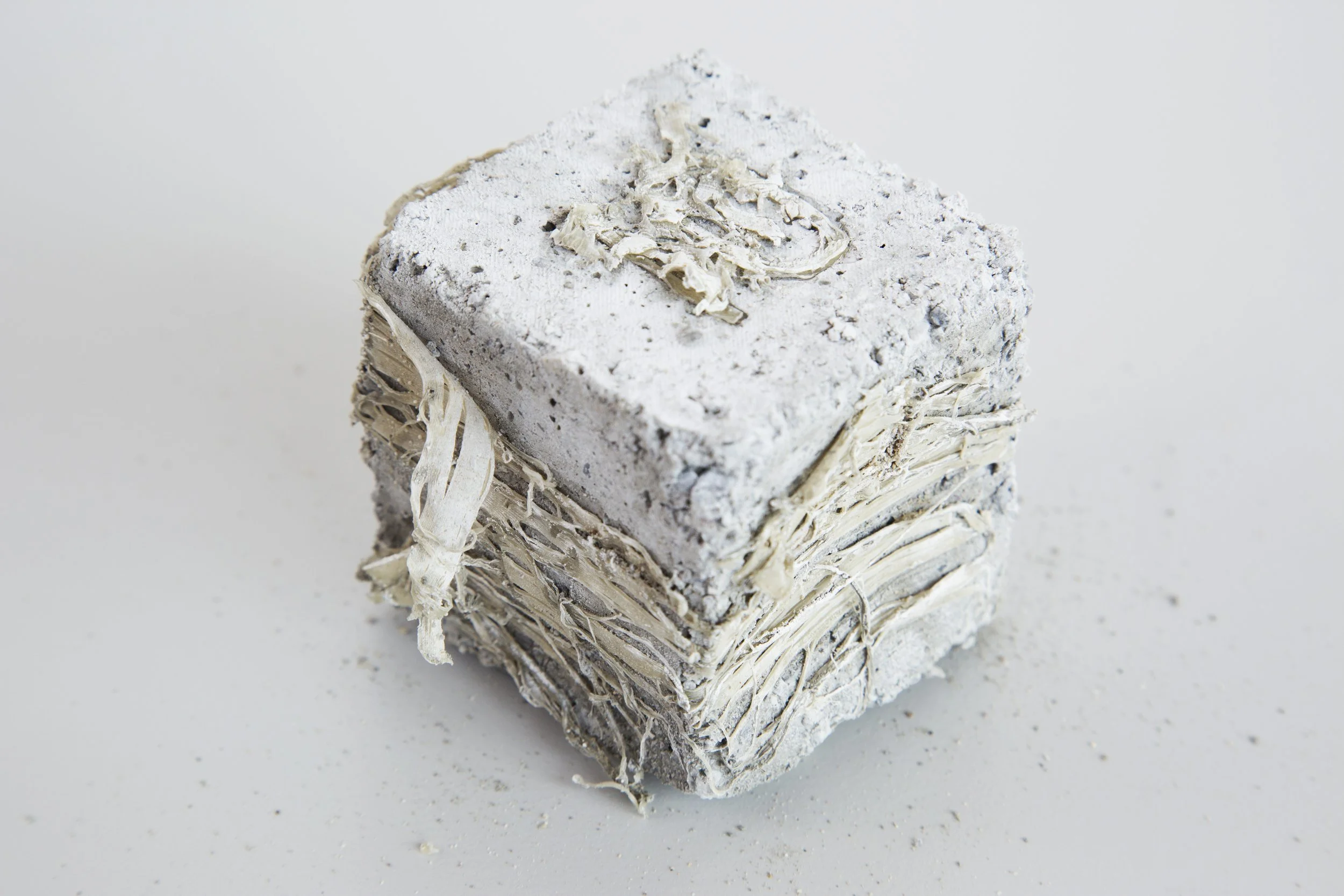
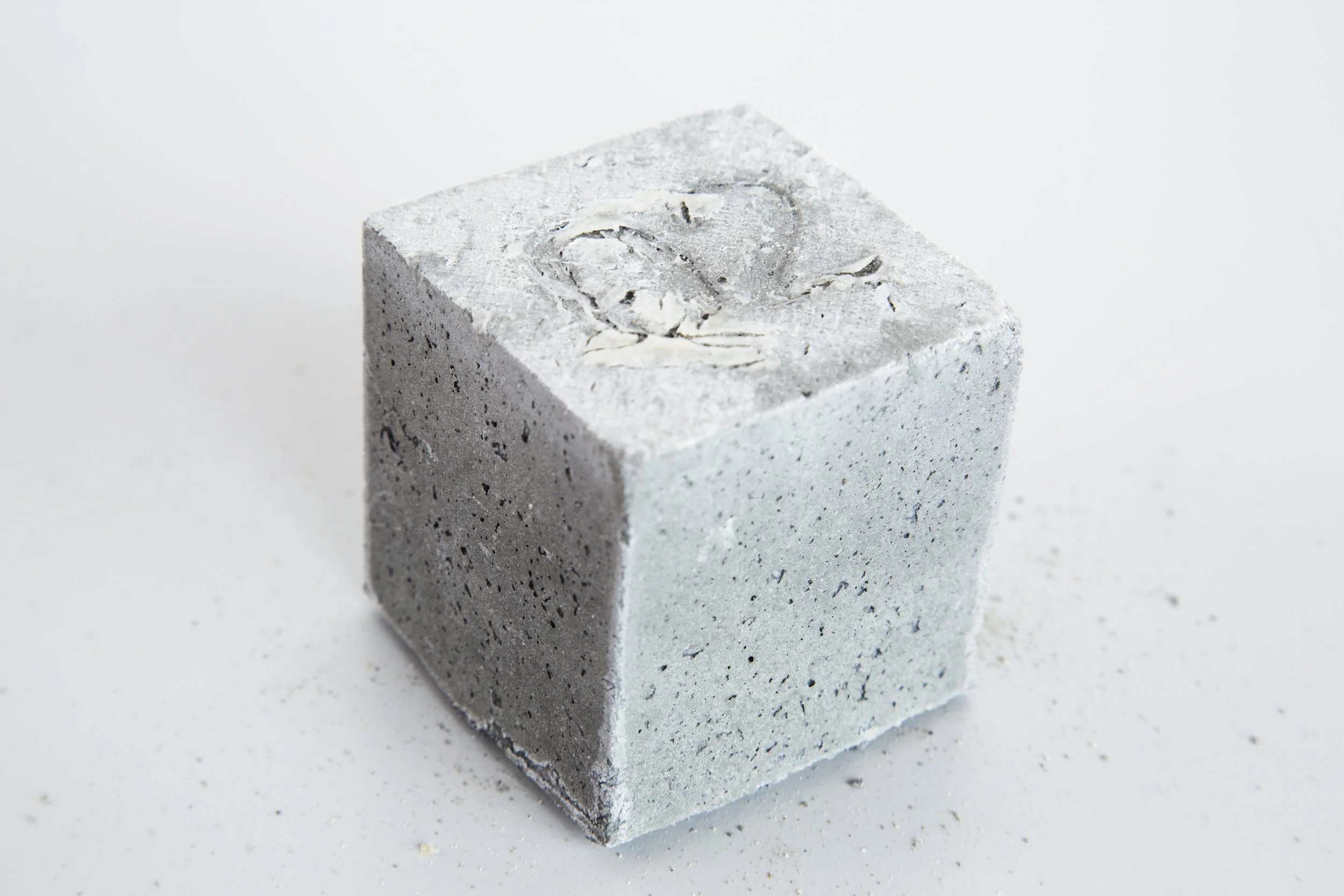
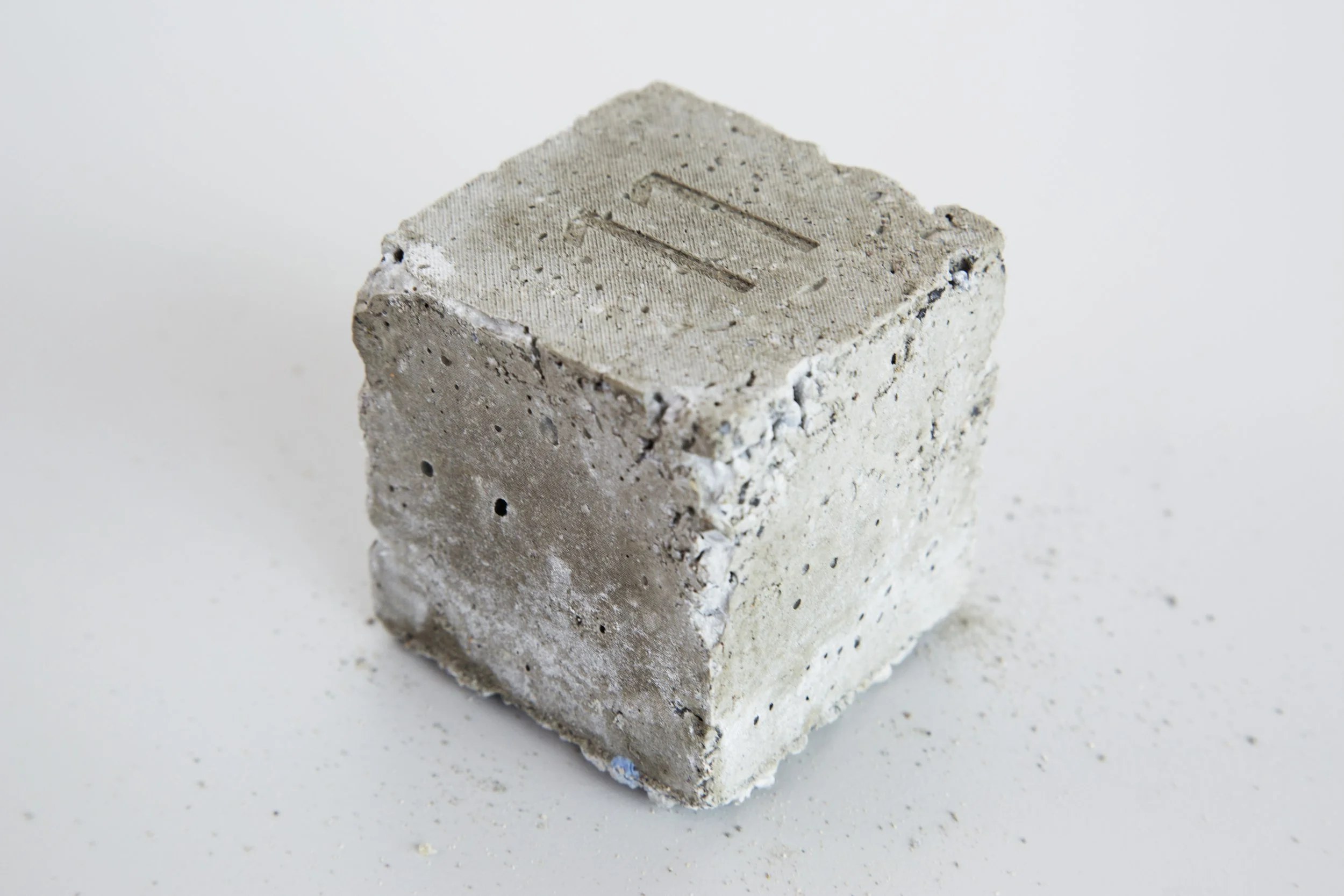
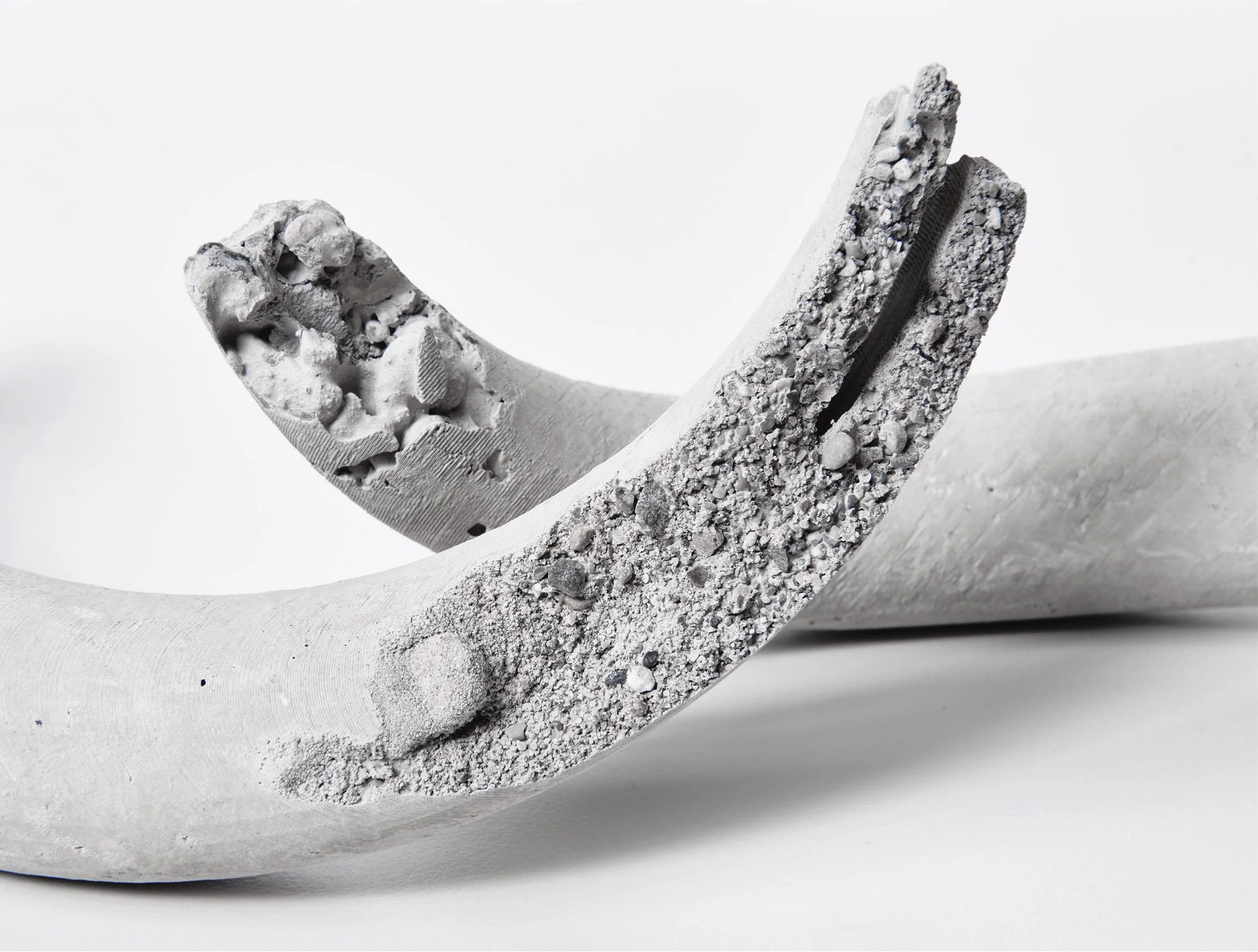
Thin-shell test cubes are printed with a single 0.5 mm contour line, filled with concrete, and placed in 1.5 litres of water at room temperature for 24 h. Materials that dissolve completely are then tested for resistance to hydrostatic pressure and for the surface quality of the cast concrete.
Sustainable thin-shell 3D printed formwork for concrete · Impact: Design With All Senses, Springer (2020), 487–501
FORMWORK GEOMETRY AND ACCURACY
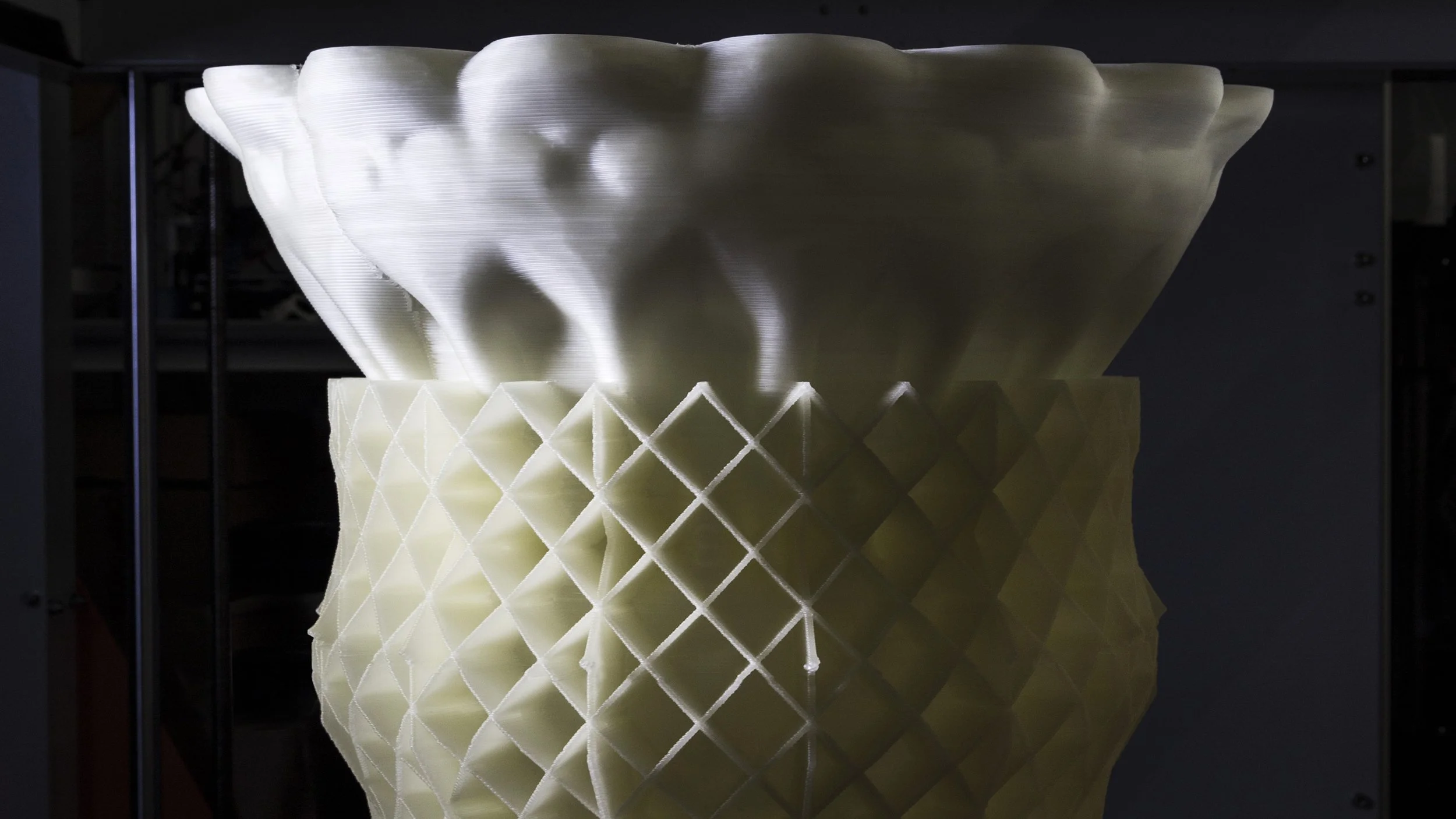
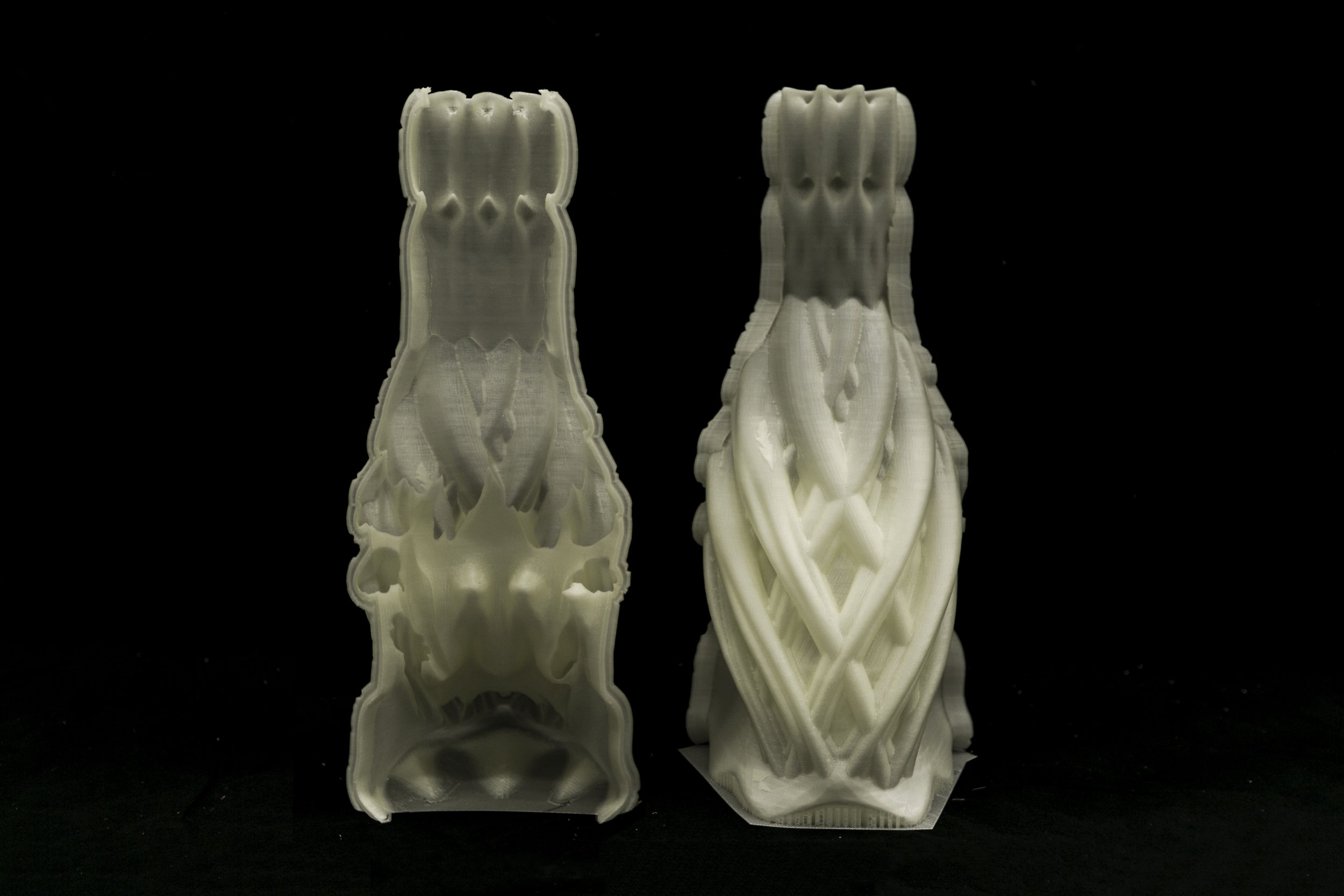
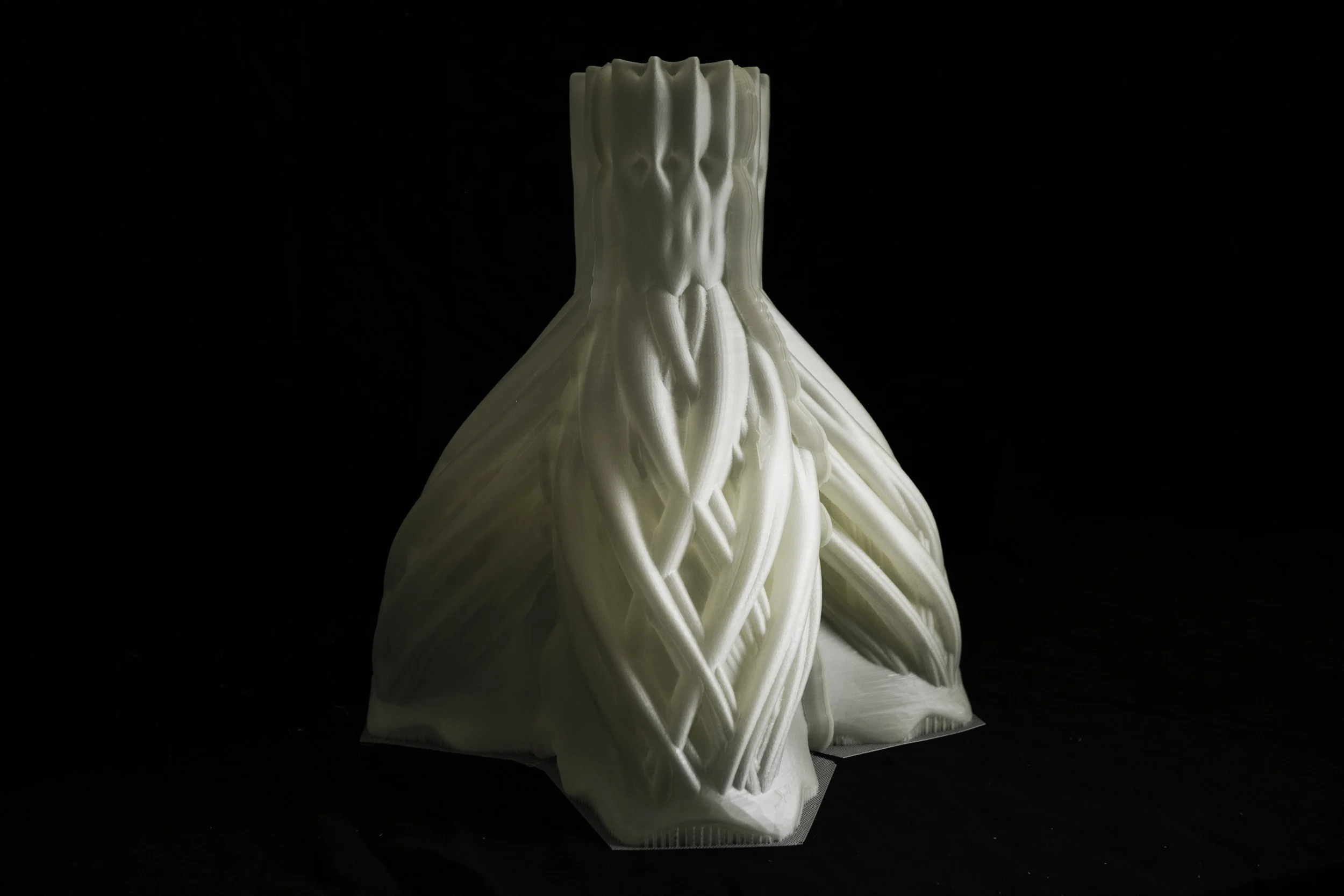
The formwork resists these loads through geometry rather than thickness: parametric rib structures adapted to the load case, fins against granular pressure, belts acting as formwork ties, wall thickness and resolution graded with height, and click connections where the printed formwork meets standard formwork.
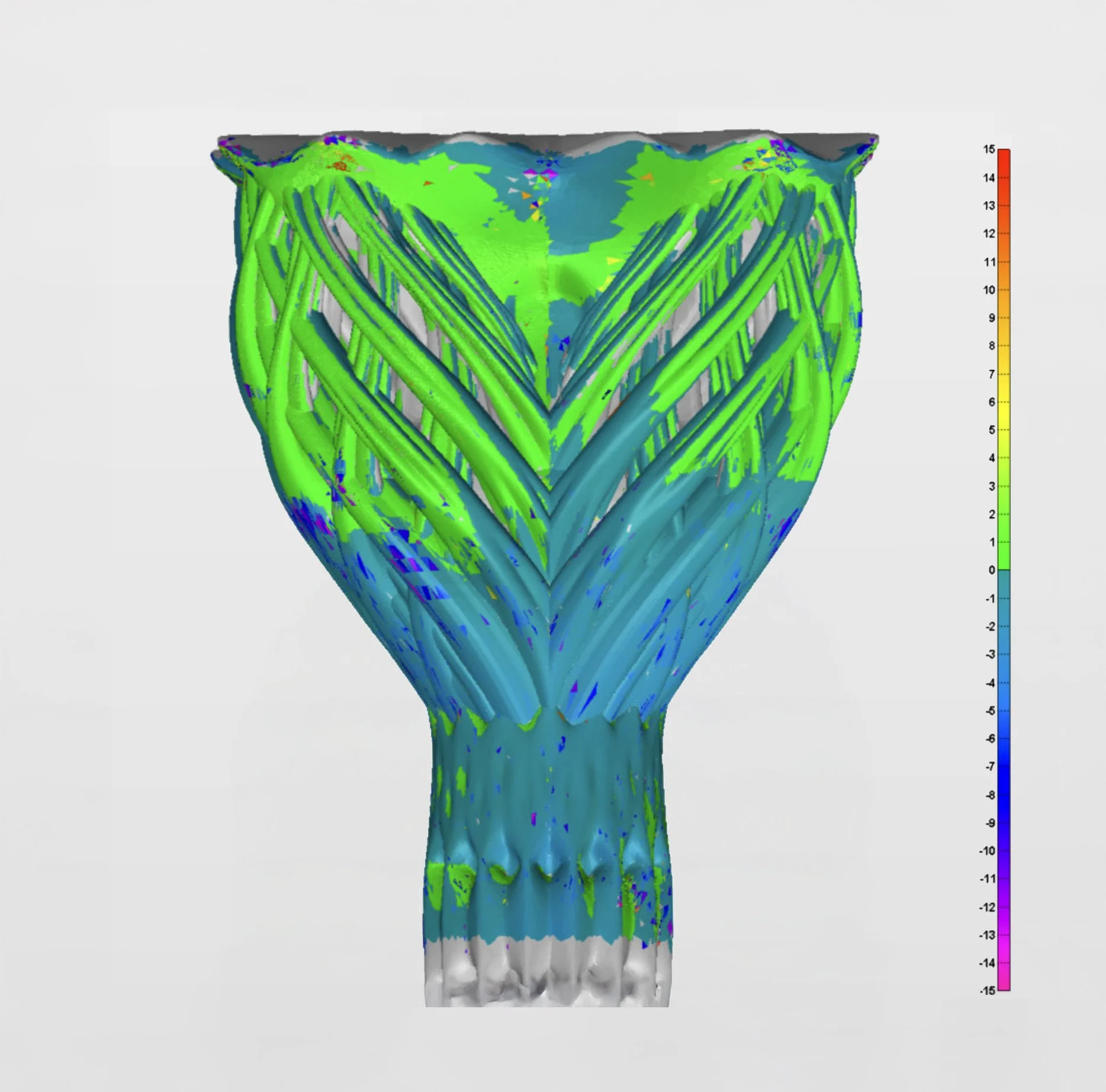
The concrete mix, not the printing accuracy, then sets the achievable tolerance. 3D scanning of the 3 m prototype shows deviations of ±1.5 mm at the capital. In a direct comparison of two 600 mm prototypes, a commercial self-compacting mix reproduces the formwork to ±5 mm, while a self-mixed concrete containing additives proves chemically too aggressive for the PVA and deviates by ±15 mm. Dissolvable formwork is therefore specified together with the concrete mix, not independently of it.
Water-dissolvable 3D printed thin-shell formwork for complex concrete components · ACADIA 2019: Ubiquity and Autonomy, 188–197